
2025’s been a weird year when it comes to Android upgrades.
For ages now, Google’s given us each major annual Android upgrade in the latter half of the year — anywhere from late summer to early fall. And device-makers have then sent that software out to their users in the weeks (and, at times, months) that follow. It’s been a largely reliable and predictable cadence, at least as far as Google’s core initial release is concerned.
This year, the Android team decided to shake things up considerably. 2025’s Android 16 update landed in early June, seemingly with the goal of giving manufacturers more time to build the software into their preholiday device shipments. Our Googley gurus also promised us a second operating system update sometime toward the end of the year, though that turned out to be more of a feature drop than a full-fledged numbered Android version.
But even so: Having the major annual Android launch of the year land in June instead of September (compared to Android 15 and most other recent releases) is a pretty significant shift. And so I was quite curious to see how it’d affect upgrade delivery timing, particularly when most Android device-makers outside of Google are anything but consistently commendable in that department.
The answer, it seems, is that the more things change, the more they stay the same.
Now that we’re six full months past the launch of Android 16, it’s time to step back and look at who’s making upgrades a priority and who’s treating ’em as an afterthought. Only you can decide how much this info matters to you (hint: It oughta matter — a lot! — particularly if you care about business-important areas like privacy and security). But whether you find post-sales software support to be a top priority or an irrelevant afterthought, as always, you deserve to be armed with all the data that empowers you to make your own fully informed future buying decisions.
Here’s what the cold, hard data shows us about which Android device-makers are making the grade and which are failing to support their highest-paying customers properly once the wallets have been put away.
[Get level-headed knowledge in your inbox with my free Android Intelligence newsletter. Three things to know and try every Friday!]
JR Raphael, Foundry
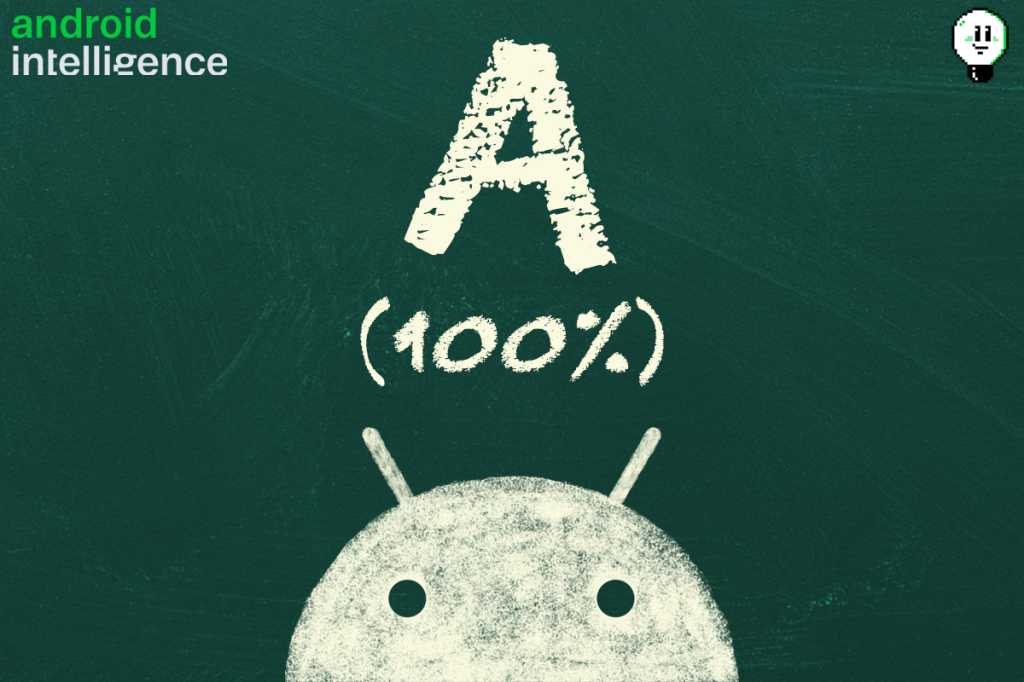
- Length of time for upgrade to reach current flagships: 0 days (50/50 points)
- Length of time for upgrade to reach previous-gen flagships: 0 days (25/25 points)
- Length of time for upgrade to reach two-cycles-back flagships: 0 days (15/15 points)
- Communication: Good (10/10 points)
This first section of our Android upgrade analysis is the most easy to anticipate — since with extraordinarily rare exception, Google gets each and every new Android software update out to all of its still-supported Pixel devices more or less instantly after the software’s release.
And since that support window now stretches out to a full seven years for all Google-made devices — including even the more budget-minded Pixel “a” models — there’s generally little question as to when any reasonably current Pixel will see newly released software.
With Android 16, like the majority of Android releases, the answer turned out to be “more or less instantly.” Android 16 started rolling out to all still-supported Pixels within mere moments of its release.
And while Google’s usual “rolling out in waves” asterisk always applies to a certain degree — with some Pixel owners not receiving the software on that very first day — Android 16 made its way to all supported Pixel devices within a reasonable amount of time and without the need for any extra communication beyond the company’s initial announcement. (For the purposes of this analysis, it’s the start of a rollout — to a flagship phone model in the US — that counts, as you can read about in more detail at the bottom of this page.)
The fact that Google treats all of its phones as equals is significant. Most people and businesses don’t buy new phones every single year, and most casual Android observers look only at the headline-making first rollout a manufacturer announces — which, outside of Google, tends to affect only its most recent top-tier phone. With Pixels, the data shows time and time again that even previous-gen devices and devices from multiple years back (along with those lower-priced “a” models) are all handled with the same priority. And as virtually every Upgrade Report Card reminds us, that’s not the experience you’ll find with any other kind of Android handset — far from it.
For the standard caveat here: Sure, we could argue that Google has a unique advantage in that it’s both the manufacturer of the devices and the maker of the software — but guess what? That’s part of the Pixel package. And as a person purchasing a phone, the only thing that ultimately matters is the experience you receive.
As usual, the results tell you all there is to know: Google’s phones are without a doubt the most reliable way to receive ongoing updates in a dependably timely manner and ensure you’re always using the most up-to-date, optimally secure software available on Android. It’s the only company that makes an explicit guarantee about that as a part of its devices’ purchasing package, and — as we’re about to be reminded further — it’s the only one that consistently delivers on such a standard each and every year.
Samsung
JR Raphael, Foundry
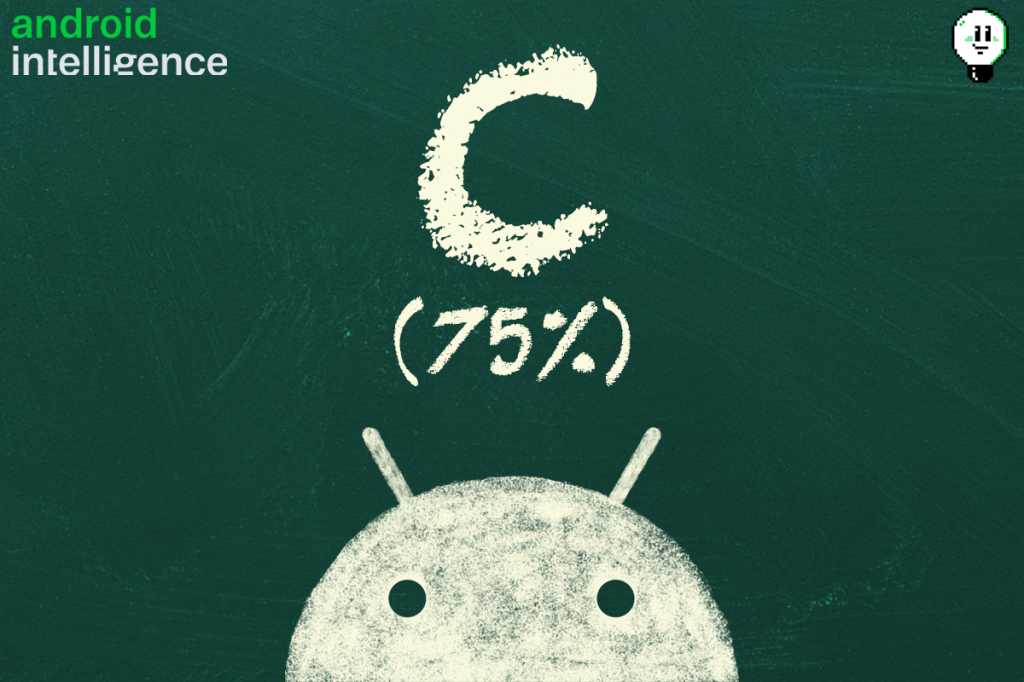
- Length of time for upgrade to reach current flagships: 103 days (40/50 points)
- Length of time for upgrade to reach previous-gen flagships: 109 days (19/25 points)
- Length of time for upgrade to reach two-cycles-back flagships: 123 days (11/15 points)
- Communication: Fair (5/10 points)
While Google’s calling card with Android upgrades is its consistency, Samsung’s is the exact opposite — although, in a sense, the company is quite consistent (at ping-ponging between mediocre and appallingly poor Android upgrade delivery performance, with the occasional decent result sprinkled in).
Following last year’s appallingly poor run (a 0% “F” grade — yikes!) and the previous year’s peak (an 81% “B–” score), Samsung’s back into middling terrain this time with a decidedly ho-hum 76% “C.”
For context, that’s almost back down to its 2023 Android 13 performance, where it received a 73% “C” score. And just to further illustrate the ping-ponging pattern I mentioned, the year before that, with Android 12, Samsung came in with an 83% B. And the year before that, with Android 11, it was a 68% D+ (ouch!).
As I’ve said before, in spite of a curious consensus among many tech writers that Samsung is somehow absolutely killing it when it comes to upgrades, the company just can’t be counted on to deliver current smartphone software in a reliably timely manner. That’s true sometimes even for its current-gen flagships, though those usually see updates within a quarter of a year or so (and I say “usually” because that wasn’t quite the case this year). The problem often gets more extreme with the company’s older devices, where the spread from first-gen to second and third is often far more stretched out than it should be.
Samsung did improve in one key area this year, and that’s communication. The company typically keeps its customers completely in the dark about its progress along the way and offers no meaningful communication about what’s happening and when a rollout might begin. With Android 16, for the first time in a long time, Samsung actually put out an official list of exactly which devices would be upgraded and when — sort of.
The list included only a small handful of specific callouts, and it wasn’t released until mid-September — nearly a hundred days after Android 16’s arrival and at the same time of the company’s first rollout. But, well, it was at least something, and that’s more than we can say for its previous recent efforts in that area.
So for now, it’s mostly more of the same from Samsung when it comes to upgrade reliability. If past trends are any indication, we’ll probably see another jump and then another drop in performance in the cycles ahead. But hey, who knows? Maybe Sammy will surprise us and actually get its act together for more than a single year’s cycle sometime.
For 2025, at least, we can certainly say that it did better than most other non-Google Android phone-makers — but unfortunately, as we’re about to see, the standard from this point onward isn’t exactly tough to beat.
OnePlus
JR Raphael, Foundry
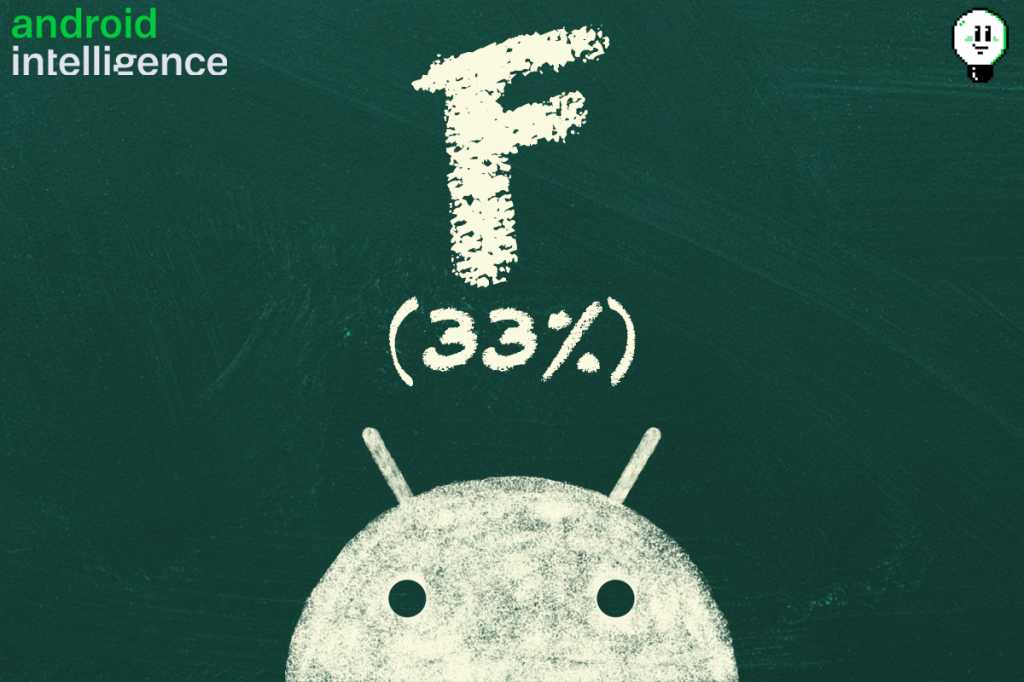
- Length of time for upgrade to reach current flagships: 156 days (33/50 points)
- Length of time for upgrade to reach previous-gen flagships: Still waiting (0/25 points)
- Length of time for upgrade to reach two-cycles-back flagships: Still waiting (0/15 points)
- Communication: Poor (0/10 points)
OnePlus, like Samsung, is consistently inconsistent when it comes to Android upgrade reliability — though lately, the company seems to have more misses than hits.
With Android 16 this year, OnePlus completely dropped the ball. It took a whopping 156 days — creeping up close to six months! — to get the software out to its current-gen flagship. And as of this writing, owners of its previous-gen and two-cycles-back flagship phones in the US are still waiting to see their software (software that, remember, is already outdated and from June of this year) arrive.
All considered, the best we could say is that OnePlus provides mediocre support on average, with the occasional pleasant surprise around its most recent flagship product — and, with rare exception, it tends to do embarrassingly poorly with its previous-gen flagships.
As usual, what adds insult to injury is the fact that OnePlus is absolutely awful about communicating with its customers. Wade through the official OnePlus forum, and you’ll find pages upon pages of comments from frustrated phone-owners who are either desperate for any shred of info about when their top-of-the-line device will see its increasingly dated software update or are pulling their hair out because of problems with the rollouts that have begun.
All in all, it’s just not a remarkable result — though (insert bemused sigh and/or hiccup here) it could always be worse.
Motorola
JR Raphael, Foundry
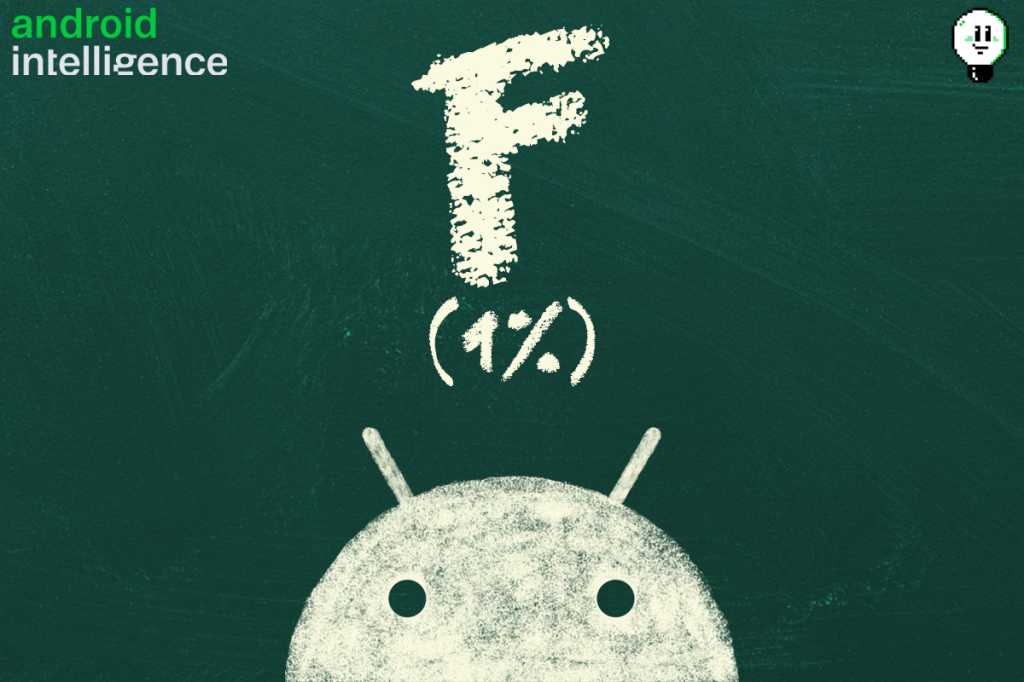
- Length of time for upgrade to reach current flagships: Still waiting (0/50 points)
- Length of time for upgrade to reach previous-gen flagships: Still waiting (0/25 points)
- Length of time for upgrade to reach two-cycles-back flagships: Still waiting (0/15 points)
- Communication: Poor (1/10 points)
If there’s one Android phone-maker that’s actually as consistent as Google with its upgrade delivery performance, it’s Motorola.
But hold the phone: This isn’t a happy comparison. Unlike Google, Motorola is consistently careless with supporting its highest-paying customers following a purchase, and it rarely gets a single software update out within six months of its release.
Last year was a rare exception, though still not enough to bring the company up above its standard “F”-level score. This year, we’re right back into typical Moto terrain, with nary an effort and not a single update seen on any of the company’s US flagships as of this writing.
The message, as we’ve seen year after year after year in this arena, is clear: If you buy a Moto phone, you’re gonna be waiting a good long while to get current software, if you ever get it — and you’re gonna be waiting in the dark, too, with no meaningful communication from the company about what’s going on or when you can expect to see any progress.
Wait — what about everyone else?
Does this list seem shorter than you were expecting? Alas, this is our current Android hardware reality, at least here in the States at this moment.
One-time Android regular LG is no longer around, as the company bowed out of the phone-making game entirely in 2021. And early Android veteran HTC has been off the grid since 2021’s Report Card, given the fact that it’s barely even putting out new phones anymore — certainly not flagship-level devices. If the company ever comes back around and attempts to get in the game again at any point, I’ll eagerly add it back into the list for inclusion.
And then there’s Sony — a company a random reader will ask me about on occasion but that just doesn’t make sense to include in this list right now. Sony has never had much of a meaningful presence in the US smartphone market (which is a shame, really — but that’s another story for another time), and in recent years, its role in the US mobile market has dropped from “barely anything” to “virtually nothing.”
And let’s not forget about Nothing, the hype-loving small-scale phone-maker from OnePlus founder Carl Pei. Nothing has been doing (ahem) virtually nothing in terms of providing software support to its paying customers, though it has at least made a bit of a token effort this year — with an early July announcement that the software would be available sometime in the third quarter of the year, then a partial rollout beginning closer to the end of this current fourth quarter and stopping prematurely due to problems a handful of days later.
Suffice it to say, the company’s score wouldn’t be spectacular if it were significant enough to include in this breakdown.
In detail: How these grades were calculated
This Android Upgrade Report Card follows the same grading system used with last year’s analysis — which features precise and clearly defined standards designed to weigh performance for both current and previous-generation flagship phones along with a company’s communication efforts, all in a consistent and completely objective manner.
Each manufacturer’s overall grade is based on the following formula, with final scores being rounded up or down to the nearest full integer:
- 50% of grade: Length of time for upgrade to reach current flagship phone(s)
- 25% of grade: Length of time for upgrade to reach most immediate previous-gen flagship phone(s)
- 15% of grade: Length of time for upgrade to reach two-cycles-back previous-gen flagship phone(s)
- 10% of grade: Overall communication with customers throughout the upgrade process
Notably, 2023’s Android 13 analysis marked the first time the formula was expanded to account for flagship phones that are two generations back in addition to the most recent previous-gen models. With the de facto standard support window stretching to a minimum of three years, it made sense to take a broader view and see how different device-makers are actually doing when it comes to supporting those older models — as a promise of support alone only means so much. How long it actually takes for those phones to receive updates is equally important. And the scores here now reflect that, extending further into a phone’s lifespan.
Upgrade timing often varies wildly from one country or carrier to the next, so in order to create a consistent standard for scoring, I’ve focused this analysis on when Android 16 first reached a flagship model that’s readily available in the US — either a carrier-connected model or an unlocked version of the phone, if such a product is sold by the manufacturer and readily available to US customers — in a public, official, and not opt-in-beta-oriented over-the-air rollout.
(To be clear, I’m not counting being able to import an international version of a phone from eBay or from some random seller on Amazon as being “readily available to US customers.” For the purposes of creating a reasonable and consistent standard for this analysis, a phone has to be sold in the US in some official capacity in order to be considered a “US model” of a device.)
By looking at the time to Android 16’s first appearance (via an over-the-air rollout) on a device in the US, we’re measuring how quickly a typical US device-owner could realistically get the software in a normal situation. And since we’re looking at the first appearance, in any unlocked or carrier-connected phone, we’re eliminating any carrier-specific delays from the equation and focusing purely on the soonest possible window you could receive an update from any given manufacturer in this country. We’re also eliminating the PR-focused silliness of a manufacturer rushing to roll out a small-scale upgrade in somewhere like Lithuania just so they can put out a press release touting that they were “FIRST,” when the practical implication of such a rollout is basically just a rounding error.
I chose to focus on the US specifically because that’s where this publication (and this person writing this right now — hi!) is based, but this same analysis could be done using any country as its basis, of course, and the results would vary accordingly.
All measurements start from the day Android 16 was released into the Android Open Source Project: June 10, 2025, which is when the final raw OS code officially became available to manufacturers.
The following scale determined each manufacturer’s subscores for upgrade timeliness:
- 1-14 days to first US rollout = A+ (100)
- 15-30 days to first US rollout = A (96)
- 31-45 days to first US rollout = A– (92)
- 46-60 days to first US rollout = B+ (89)
- 61-75 days to first US rollout = B (86)
- 76-90 days to first US rollout = B– (82)
- 91-105 days to first US rollout = C+ (79)
- 106-120 days to first US rollout = C (76)
- 121-135 days to first US rollout = C– (72)
- 136-150 days to first US rollout = D+ (69)
- 151-165 days to first US rollout = D (66)
- 166-180 days to first US rollout = D– (62)
- More than 180 days to first US rollout (and thus no upgrade activity within the six-month window) = F (0)
There’s just one asterisk: If a manufacturer outright abandons any US-relevant models of a device, its score defaults to zero for that specific category. Within that category (be it current or previous-gen flagship), such behavior is an indication that the manufacturer in question could not be trusted to honor its commitment and provide an upgrade. This adjustment allows the score to better reflect that reality. No such adjustments were made this year, though there have been instances where it’s happened in the past (hello, Moto — again!).
Last but not least, this analysis focuses on manufacturers selling flagship phones that are relevant and in some way significant to the US market and/or the Android enthusiast community. That, as I alluded to above, is why a company like Sony is no longer part of the primary analysis — and why companies like Xiaomi and Huawei are not presently part of this picture, despite their relevance in other parts of the world. Considering the performance of players in a market such as China would certainly be interesting, but it’d be a completely different and totally separate analysis, and it’s beyond the scope of what we’re considering in this one report.
Aside from the companies included here, most players are either still relatively insignificant in the US market or have focused their efforts more on the budget realm in the States so far — and thus don’t make sense, at least as of now, to include in this specific-sample-oriented and flagship-focused breakdown.
Don’t let yourself miss a thing: Sign up for my free Android Intelligence newsletter to get next-level knowledge delivered directly to your inbox.